
Contributors: Vicky Christie
Date published: 23 November 2026
Download as PDFIn Scotland, who owns the area between the land and the sea?
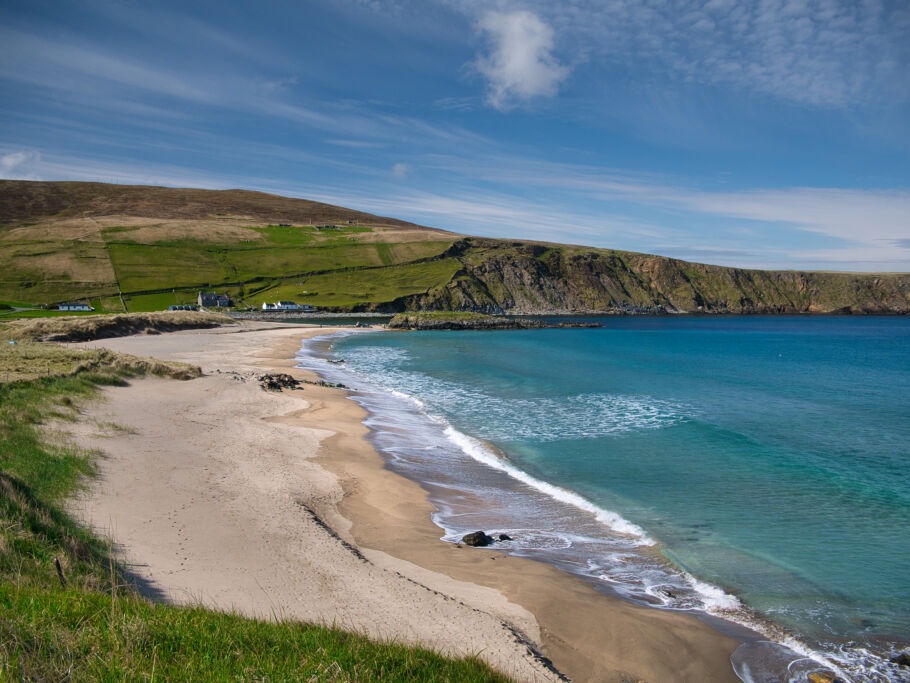
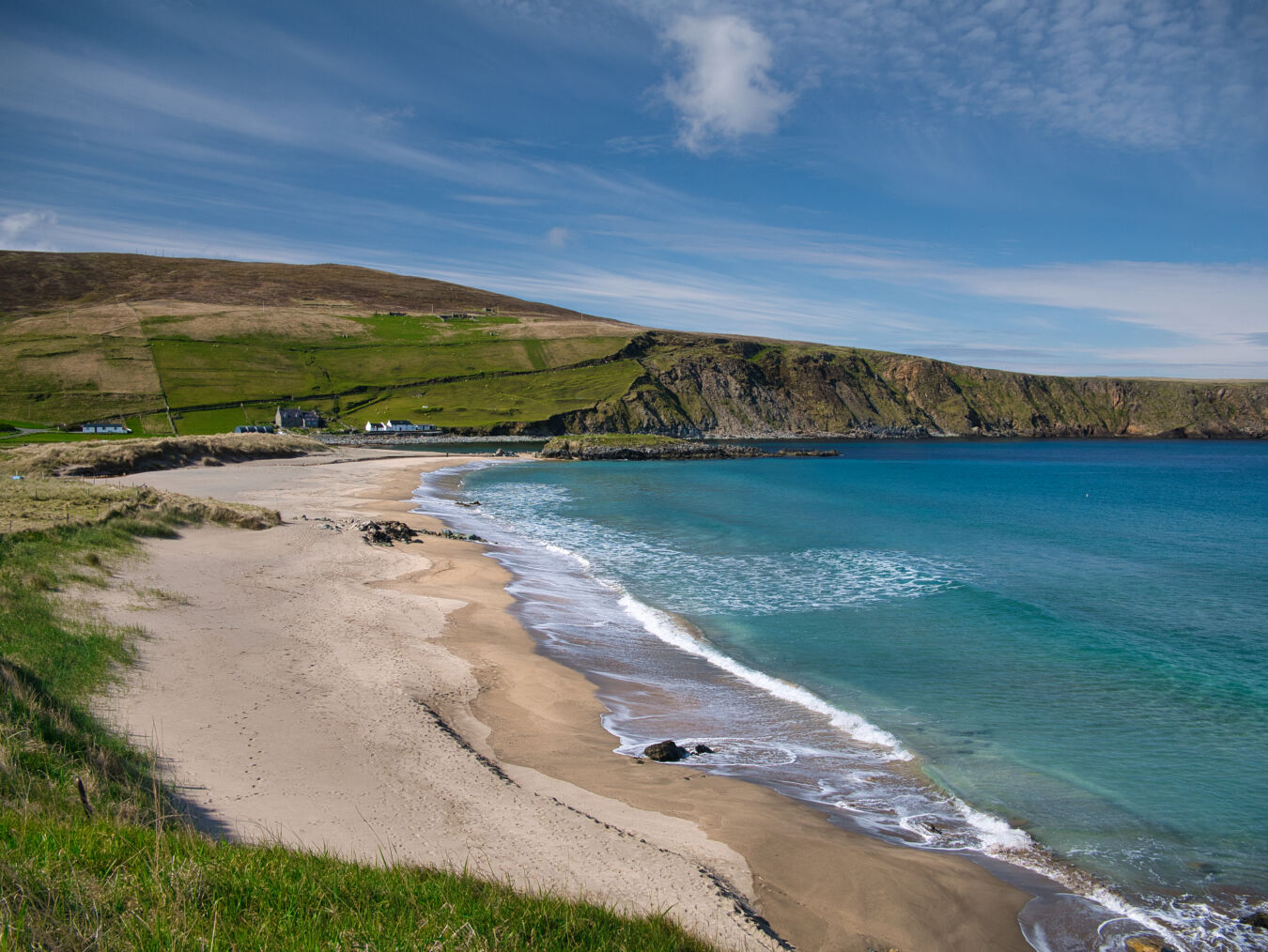
Have you ever wondered who owns the foreshore – the area where the land meets the sea? From a legal perspective, this can be a hard question to answer. In most parts of Scotland, the starting presumption is that it is owned by the Crown, but this is not always the case. In Orkney and Shetland that presumption does not exist at all, because those areas retain elements of the Norse legal system known as ‘Udal Law’.
What is the foreshore?
The foreshore is the strip of land that forms the boundary between the marine and terrestrial parts of Scotland’s land area. It is defined as the area between the high and low water marks of ordinary spring tides. Across the UK, about half of the foreshore area is owned by the Crown: in England, Wales and Northern Ireland this is managed by The Crown Estate; and in Scotland, by Crown Estate Scotland.
Who owns the foreshore in most of Scotland?
In most of Scotland, there is a legal presumption that the foreshore is owned by the Crown, unless there is evidence to show that it has been obtained by someone else. Sometimes this is clear-cut, such as when a private entity or public body holds a valid legal title to a part of the foreshore. But this is not the only way to acquire rights. As with other land, someone can do this by ‘positive prescription’. (This article looks at how positive prescription can be a key factor in disputes about access.)
To be precise, someone can acquire ownership of the foreshore where they can show possession and occupation of the land for a period of 20 years or more. They must also show that they have a registered title and have exercised open and peaceful occupation of the land, without judicial interruption. In other words, that they have occupied the land and used it visibly as though they are the rightful owner without legal challenge.
Foreshore ownership disputes in Scotland
For businesses and private individuals, the question of who owns the foreshore can have real commercial consequences, and disputes about it sometimes have to be decided in court. One such case was Littleson v Macalister ([2024] SAC (Civ) 6, which concerned an area of foreshore adjacent to a farm in Argyll. Both parties to the case claimed ownership of the foreshore, for different reasons.
The farm was owned by Mr and Mrs Littleson, and had been since 1983. Prior to that – since 1836, in fact – their family had been tenants on the farm, and had enjoyed a right of access to the foreshore. In 2013, Mr Macalister also acquired title to the foreshore (that is, he obtained a legal right to ownership of it).
The Littlesons also owned a nearby caravan park, and in 2018 they started to construct a sewage pipe between the park and the sea. At that point, Mr Macalister asserted that he owned the foreshore. The Sheriff Court decided in the Littlesons’ favour – in effect saying that Mr Macalister did not own the foreshore because the person that had sold it to him had no right to do so. Mr Macalister appealed, but the Sheriff Appeal Court upheld the original decision. (This article explains the disputed legal issues and both decisions in more detail.)
Who owns the foreshore in Orkney and Shetland?
In Orkney and Shetland, unlike in the rest of Scotland, the Crown is not presumed to have a prior right to the foreshore. This is because the islands retain elements of Udal law, which derives from the Norse legal system. (In the late ninth century, Orkney and Shetland became part of the Kingdom of Norway and remained so until 1472.) Under Udal law, ownership of land adjoining water may extend to the low-water mark.
We have seen disputes about foreshore ownership in these regions too. A notable case is Smith v Trustees of Port of Lerwick (1903) 5 F. 680. Mr Smith, a landowner in Shetland, asked the court to formally declare that he was the owner of the foreshore adjacent to his property, down to the lowest low-water mark. He provided the court with titles registered in the Register of Sasines that dated back to 1819, showing that the foreshore was included in his title. The opposing party held a title granted by the Crown from 1879 that covered the same foreshore.
A key legal issue was whether the foreshore was held under Udal or Feudal tenure.
Mr Smith argued that Udal law applied and that the Crown therefore had no presumed proprietary right to the foreshore. The opposing party argued that the foreshore was governed by Feudal law, as in mainland Scotland at that time, and that ownership was therefore presumed to be vested in the Crown. The Court decided in Mr Smith’s favour. A key factor was his evidence that he possessed the land.
Foreshore ownership can be disputed anywhere in Scotland, but Udal law adds a further layer of complexity in Orkney and Shetland. If you would like to discuss any of the issues raised in this article, or have questions about who owns a particular area of foreshore and how ownership can be established, please contact a member of our Rural team.
This article was co-authored by Trainee Katie Coghill.
Contributors:

Vicky Christie
Senior Associate
Further / related posts
6 November 2026
Navigating the legal landscape of Scottish forestry
Contributor: Katie McNab

23 October 2026
Bang on: The laws around fireworks displays
Contributors:
Stephanie Hepburn, Kevin Clancy

23 October 2026
Contributors:
Killian Dockrell, Shona Lean
To find out more contact us here
Sectors: Rural Property and Business