

Contributors: Katie McNab
Date published: 6 November 2026
Download as PDFNavigating the legal landscape of Scottish forestry
This article was first published in Land Business.
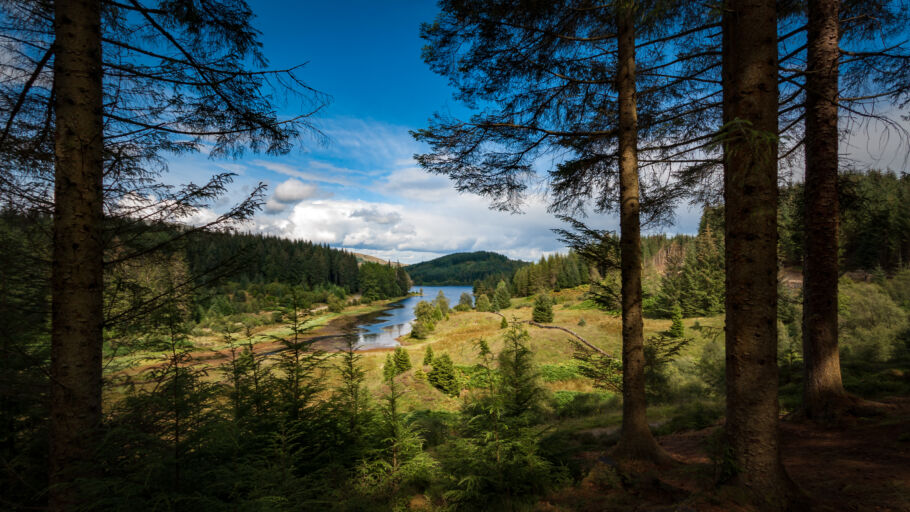
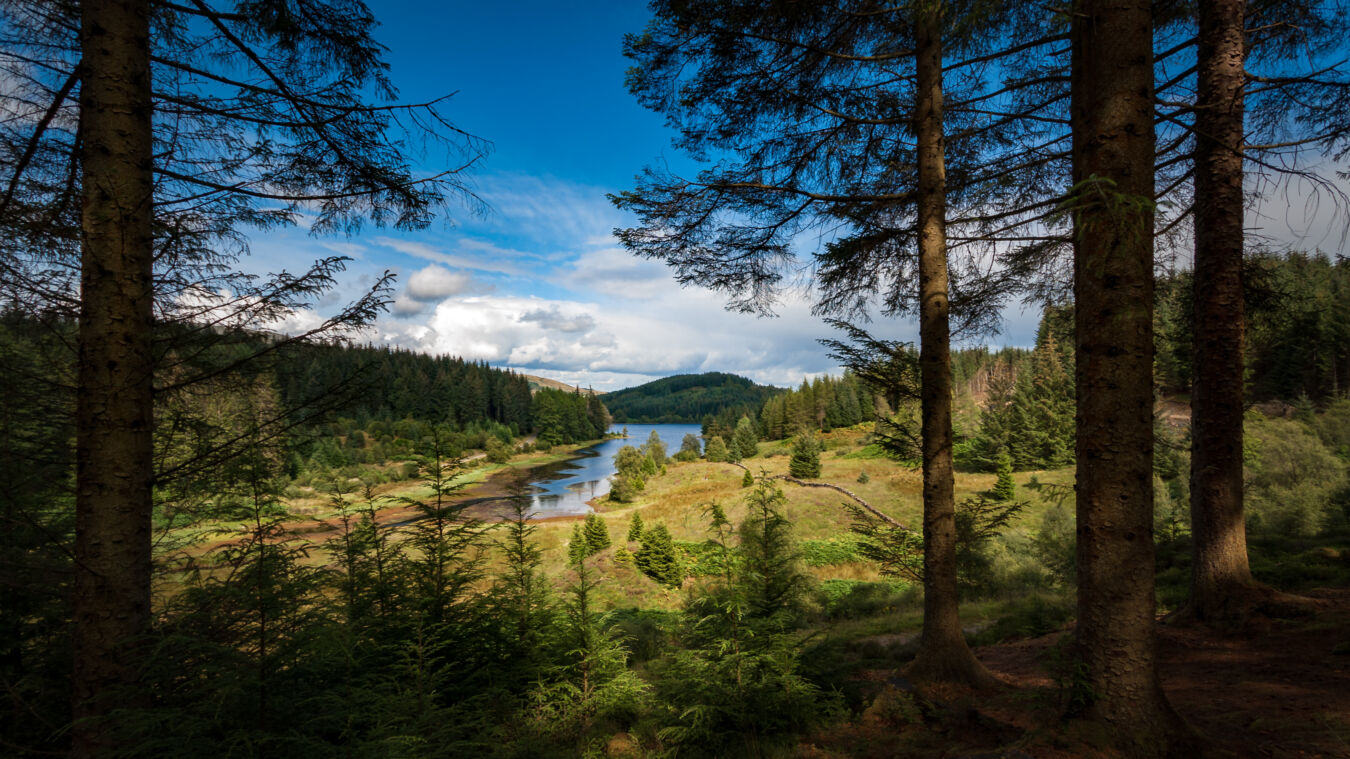
Scotland is blessed with an exceptional natural environment, including extensive woodlands. They are valuable in many ways, not least that they can play an important part in achieving a range of environmental goals: CO₂ reduction, of course, and also improving flood defences, increasing biodiversity and protecting vulnerable species.
However, anyone planning a development project has to navigate an extensive legal framework. Comprising statutory and regulatory elements, it is intended to take account of both environmental and commercial goals.
This article briefly explains that framework, and looks at some recent successful projects.
The legal framework
The main legal elements are as follows.
The Forestry and Land Management (Scotland) Act 2018 is the principal piece of legislation governing forestry in Scotland, which placed a duty on the Scottish Ministers to promote sustainable forest management. It also established two bodies. Scottish Forestry is the national regulator, enforcing statutory compliance across both public and private land. Forestry and Land Scotland’s duty is to manage the nation’s public forest estate.
The UK Forestry Standard is the technical benchmark for all sustainable forest management and grant funding. The current 5th edition introduced stricter rules around species-diversity. For example, previously a single species could form up to 75% of a planting mix, but that cap is now 65%.
The Wildlife and Countryside Act 1981, Nature Conservation (Scotland) Act 2004, and Conservation (Natural Habitats, &c.) Regulations 1994 are all concerned with the protection of species and habitats. They impose strict duties regarding European Protected Species and Sites of Special Scientific Interest. Unlawful disturbance or damage carries significant penalties.
The Environmental Impact Assessment (Forestry) (Scotland) Regulations 2017 updated the regulations around Environmental Impact Assessments, or EIAs. Proposed afforestation, deforestation, or road construction projects must undergo formal EIA screening to evaluate ecological and hydrological impacts prior to commencement. Extra conditions apply to projects in designated sensitive areas.
Practical examples
Two recent projects show what can be achieved when ecological and commercial benefits are aligned.
The first took place in the area around the River Tweed: targeted planting of native woodland species stabilised riverbanks around the Tweed catchment. This created natural flood management buffers, lowered water temperatures to a better level for wild salmon, reduced agricultural runoff, and satisfied UKFS’s strict water environment standards.
The second was in the Cairngorms National Park – the largest in the UK. The Cairngorms Connect project expanded existing networks of pine trees, improving ecological connectivity for rare woodland species while also securing carbon units through the Woodland Carbon Code.
Legal guidance is essential
While successful projects like those above make a compelling case to anyone considering a forestry development, it is vital to ensure compliance with all the relevant laws and regulations. Failing do so creates significant financial, operational, and reputational risks.
For landowners, developers, and forestry investors, seeking specialist legal advice at an early stage in the planning process helps to ensure that the project will be beneficial both commercially and environmentally.
Contributors:

Further / related posts

23 October 2026
Bang on: The laws around fireworks displays
Contributors:
Stephanie Hepburn, Kevin Clancy

23 October 2026
Contributors:
Killian Dockrell, Shona Lean
23 October 2026
Let the right one in: Prescriptive servitudes
Contributor: Stephanie Hepburn
To find out more contact us here
Sectors: Forestry, Rural Property and Business