Contributors: Killian Dockrell, Shona Lean
Date published: 23 October 2026
Download as PDFPicking pumpkins not problems
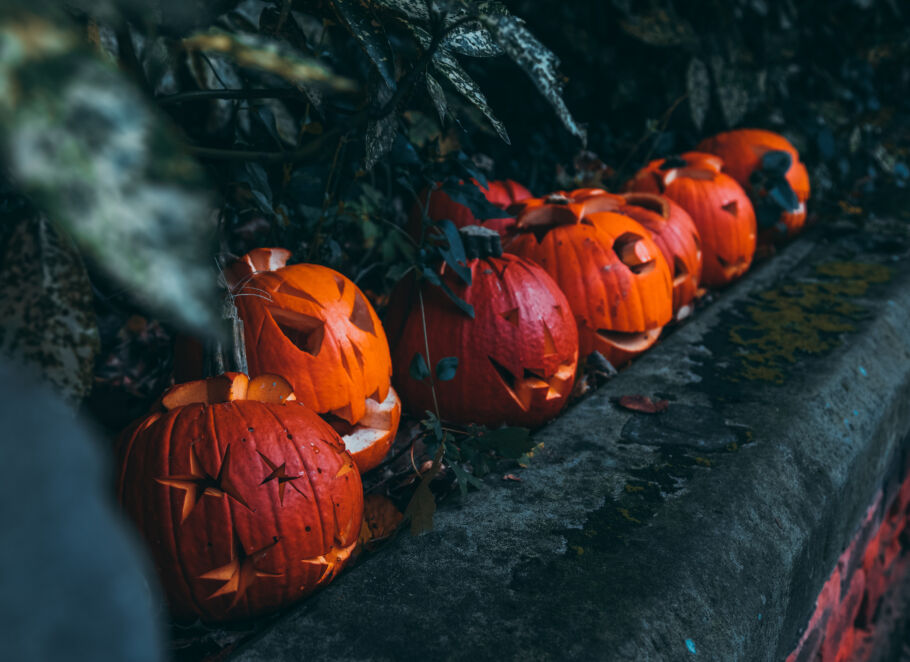
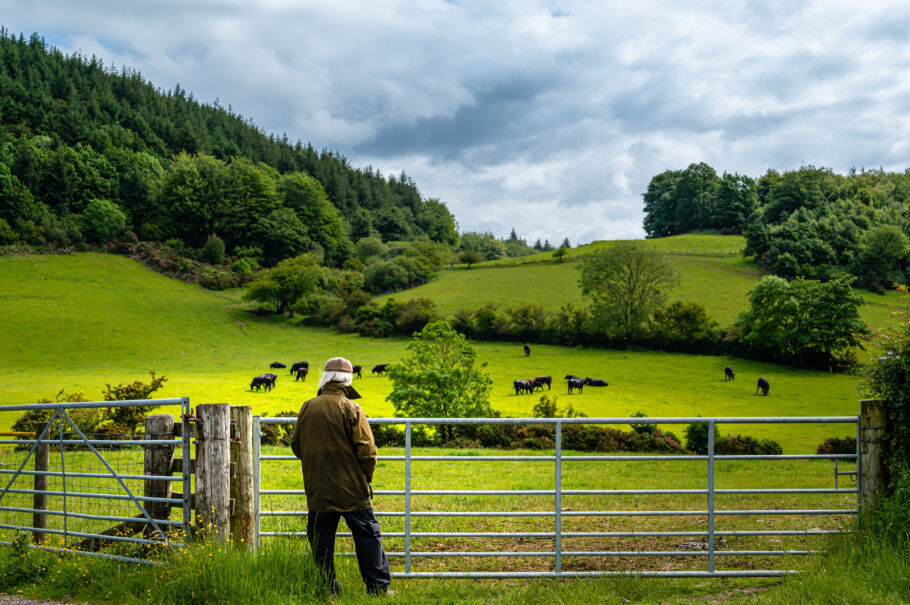
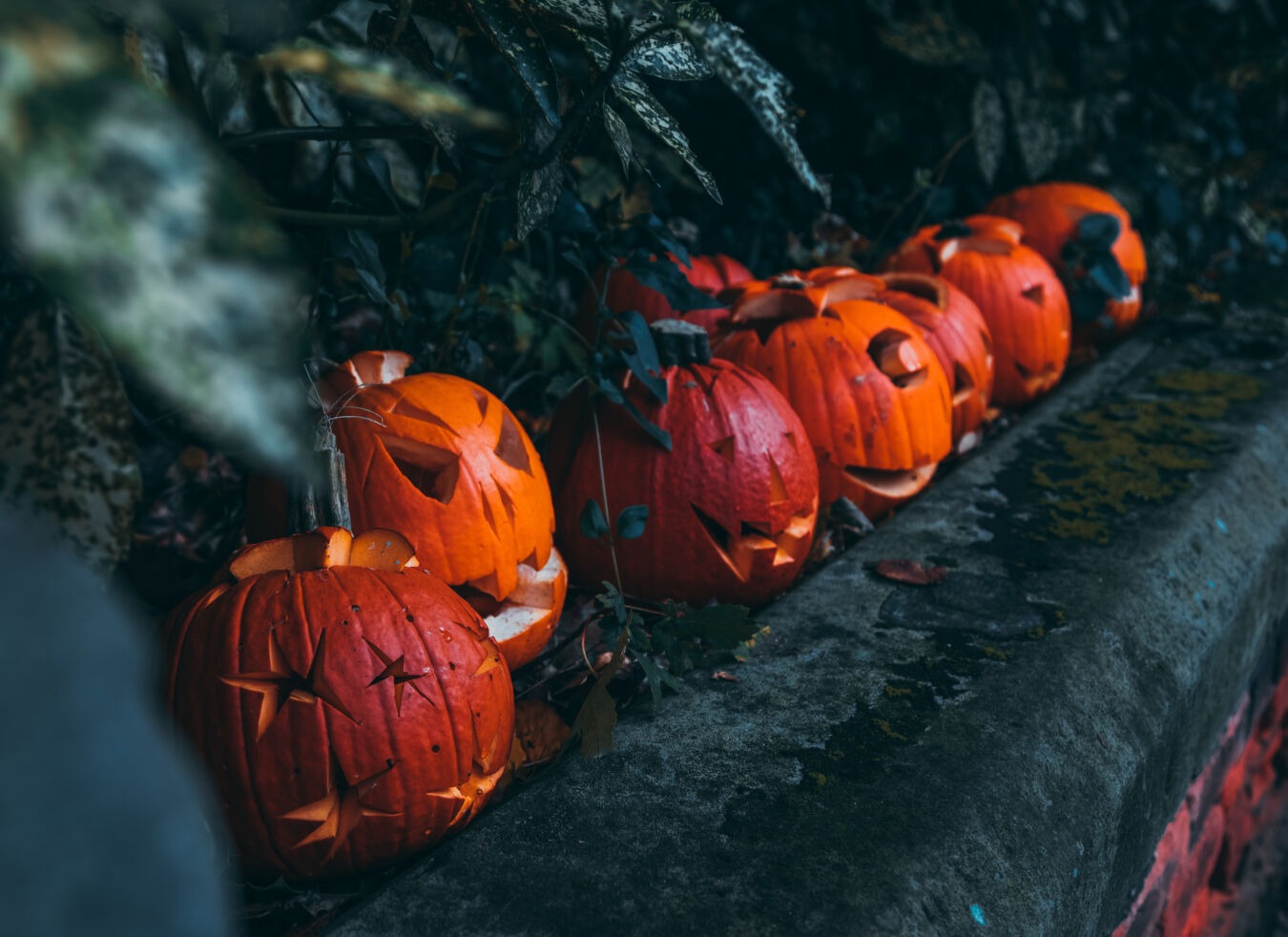
When rural landowners look to diversify their businesses, there are countless ways that this can be done. Many of them involve inviting the general public onto their farms – and this brings with it legal duties around health and safety. It is important that landowners understand their duties to visitors, and take the necessary steps. With Autumn approaching, this article explains the issues using a seasonal example: pumpkin patches.
The Health and Safety at Work etc. Act 1974 sets out a number of duties – aiming to protect employees and visitors, whether the latter are suppliers, paying customers, or other members of the public.
As a starting point, any landowner opening to the public needs to have robust policies and procedures in place to mitigate the health and safety risks. While pumpkin-picking does not seem as dangerous as tractor rides or petting zoos, for example, care still needs to be taken.
It is important for landowners to put in place a suitable risk assessment before proceeding with such an event. It would identify risks to the public and to staff, such as the fact that pumpkins can cause injuries if they are not properly lifted and carried. It would also recognise that pumpkins can be a tripping hazard, and should highlight the risks of cross-contamination or, later in the season, infection from rotting pumpkins. Risks can also be introduced if landowners employ seasonal workers, who may lack experience or be less familiar with the premises.
These findings should guide the design of appropriate operating practices. For example: installing handwashing facilities, signposting any obvious trip hazards, and ensuring that adequate lighting is provided in the darker months.
Another potential issue that requires particularly careful planning is the presence of people sharing the land with moving farm vehicles. Especially if it is possible that children may be temporarily unsupervised at times.
Good record-keeping is vital. Landowners should ensure that they record cleaning schedules, facility maintenance and staff training – including manual lifting assistance for heavier items such as equipment and particularly plump pumpkins. This will be invaluable if it is ever necessary to demonstrate compliance to the appropriate authorities.
Finally, landowners should have in place insurance that is appropriate to all the reasonably foreseeable risks.
Public-facing diversification projects can be hugely beneficial for all concerned. Landowners diversify their businesses, while their customers get to enjoy all that Scotland’s rural environment has to offer. But when health and safety shortcomings lead to injury, the repercussions can be huge: emotional trauma, the stress and cost of regulatory investigations and court proceedings, possibly criminal penalties, and long-lasting reputational damage to the business.
Taking all the necessary precautions can avoid Halloween being a horror story.
If you would like to have a more detailed and specific discussion of any of these issues, our Health and Safety team will be happy to help.
This article was co-authored by Trainee Rory Tait.
Contributors:

Killian Dockrell
Solicitor

Shona Lean
Solicitor
Further / related posts
23 October 2026
Don’t let a green burial come back to haunt you
Contributor: Stephanie Hepburn
9 June 2026
Assessing and managing health and safety risks in the agricultural sector
Contributors:
Kevin Clancy, Killian Dockrell
18 May 2026
Expanding a rural business can increase health and safety risks
Contributors:
Shona Lean, Killian Dockrell
To find out more contact us here
Expertise: Health, Safety and Environmental Regulation
Sectors: Land Management and Diversification, Rural Property and Business