

Contributors: Stephanie Hepburn, Kevin Clancy
Date published: 23 October 2026
Download as PDFBang on: The laws around fireworks displays
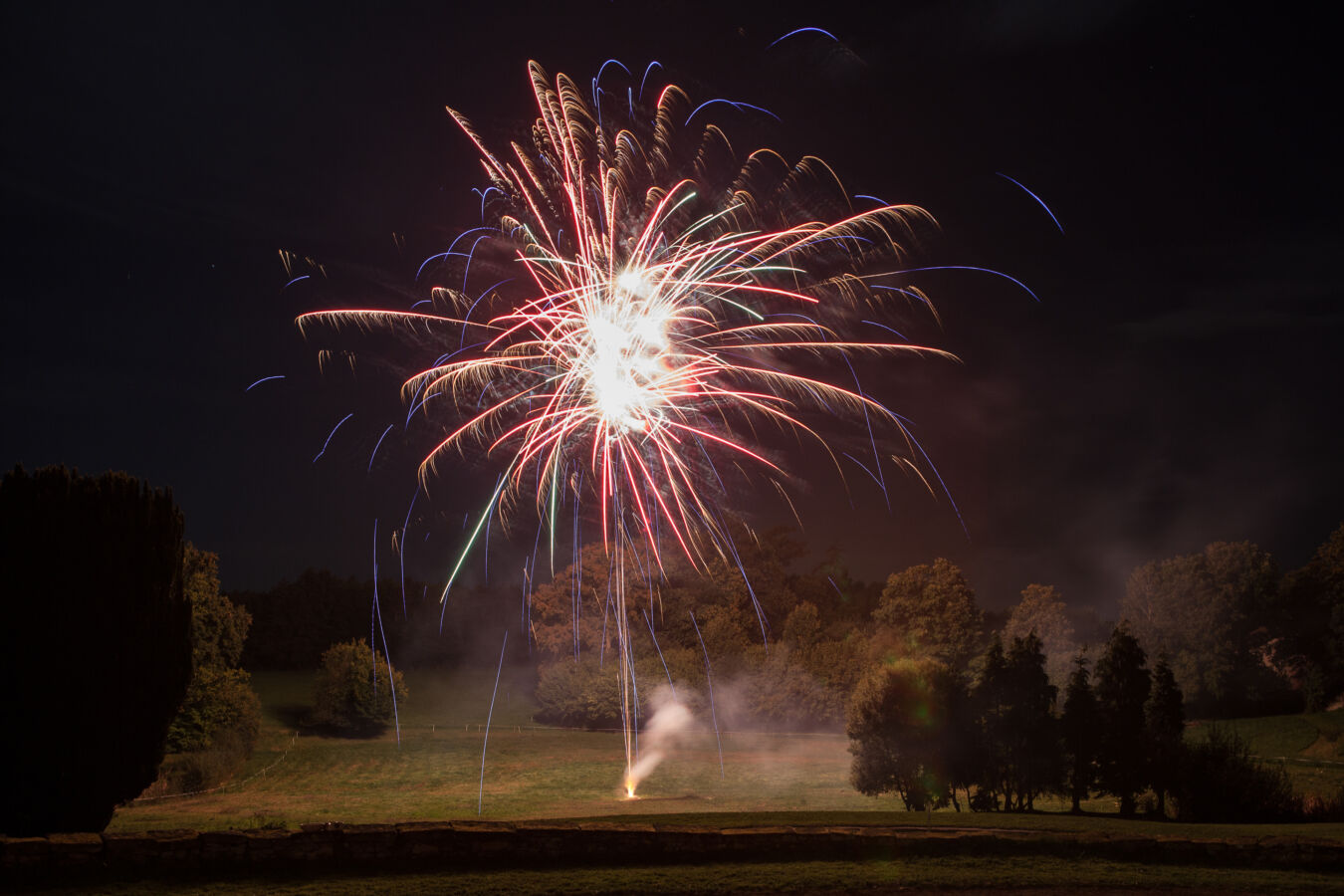
On Bonfire Night, a good fireworks display is always a thrilling spectacle for children and adults alike. Clear skies and open spaces make rural areas an ideal location. But fireworks carry inherent risks – to humans, and particularly to animals. Various laws and regulations aim to address this.
Anyone hosting an event will therefore need to ensure that they meet their legal obligations. And on the other side of the coin, if your business or livestock has been harmed as a result of a neighbour’s display, there are legal steps that you can take. This article looks at both of those situations.
Hosting a fireworks display
Landowners who want to put on their own fireworks display, whether for Bonfire Night or any other occasion, should think about three things in particular.
The Fireworks and Pyrotechnic Articles (Scotland) Act 2022
With the aim of protecting the environment or animal welfare, this Act introduced several limitations to the use of fireworks, including “firework control zones” – areas in which the use of fireworks is temporarily prohibited. A local authority can establish one of these zones, and decide the dates on which it will be in force. Anyone who ignites a firework within a control zone could face a fine not exceeding £5,000 or a prison sentence of up to six months.
Other parts of the Act have not yet been introduced. These include the introduction of a licensing system that will limit the sale of fireworks; and prohibiting the sale of fireworks during certain periods of the year.
The Fireworks (Scotland) Regulations 2004
These regulations restrict the use of certain categories of fireworks to between 6pm and 11pm on most days. (The cut-off time moves from 11pm to midnight on Hogmanay, Diwali and Chinese New Year.) A local authority can give a public display a dispensation from this, if it satisfied that there is no risk of death or destruction of property. But if you want one for an event this November, you’ve missed the boat: an application must be lodged at least six weeks beforehand. Also, the event must be publicised locally at least a week in advance.
Neighbouring livestock
Lastly, a practical consideration. It is wise to also think about livestock – both your own and your neighbours’ – before deciding whether to host a display, and if so where to locate it.
Concerns about fireworks’ potential effect on animals are not an over-reaction. You may have heard about the death in 2024 of an Edinburgh Zoo resident, Roxie the baby red panda. This was probably due to stress caused by fireworks, and led to Edinburgh City Council creating a firework control zone around the zoo.
A display that fully complies with the law may still cause harm if it takes place close to fields that hold livestock. Good practice includes warning neighbouring landowners in good time, choosing a launch site and firing direction that takes grazing land into account, and considering lower-noise fireworks if they are available.
This brings us to the other half of the issue.
What can you do if your animals are harmed?
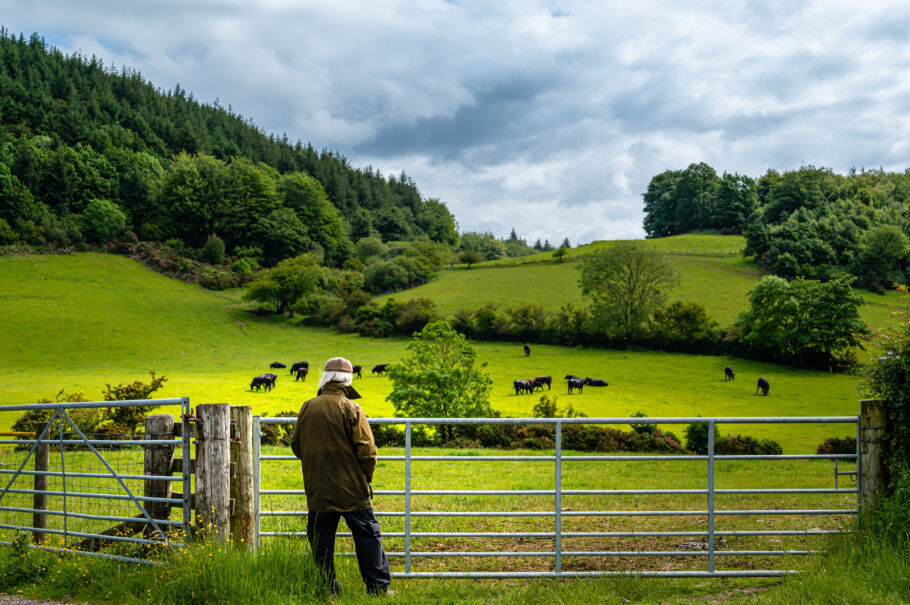
In the rural sector, threats to the welfare of livestock are a real concern. Like many animals, they have far more sensitive hearing than people, and the sudden bangs and flashes produced by fireworks can cause fear and stress. This in turn can have serious consequences, as spooked animals commonly injure themselves while trying to escape: cattle and sheep can break through fencing, become entangled in wire, or stampede into roads, ditches or watercourses. Horses are particularly vulnerable, and equine vets report a disproportionately high number of firework-related injuries, most often self-inflicted while horses are bolting or struggling against restraint. Harm can also be caused directly when animals eat debris and unburnt firework remnants that have landed in fields.
As with many types of dispute, the best first move is often to speak to the person concerned before taking any legal action – and ideally before any damage has occurred. When the risks are spotted while the event is still being planned, and everyone involved communicates well, various practical steps can be taken, such as securing stock and moving animals away from boundaries. (It is important that landowners do not just think about the fireworks, but also what is going on at ground level.)
However, if you can’t prevent the damage occurring, the first thing to do is to document the incident carefully. Record what happened in detail: the date, time and apparent source of the fireworks, the condition of fencing and animals before and after, any veterinary treatment, and the value of any animals lost, injured or aborted as a result of the stress. Photographs, vet reports and witness accounts may strengthen any later claim or complaint.
You have several legal avenues to consider.
Unlawful use of fireworks
If fireworks were used outside permitted hours, within a firework control zone, or without a required licence, you can report this to the police. The report may also prompt the local authority to consider further action, which might include reviewing an existing firework control zone or designating a new one.
Is there a welfare offence?
The welfare of domestic and captive animals is protected by the Animal Health and Welfare (Scotland) Act 2006. It is an offence for a person to cause, or to have reasonably known that an act would cause, unreasonable suffering (either mental or physical) to an animal. This applies whether or not the person in question owns the animal.
Is there a claim in nuisance?
The civil remedy of nuisance applies when someone’s enjoyment of their property is interfered with by the conduct of a neighbouring owner or occupier. To be actionable, the nuisance must be continuing (i.e. not a one-off incident) and the complainer must have suffered more than they could reasonably be expected to tolerate (known as the plus quam tolerabile test). A number of factors are taken into account when determining if conduct amounts to nuisance, including nature of the harm, the time it took place, and any conventions that may mean the noise is tolerable.
A single display on Bonfire Night may not amount to a nuisance. But a series of displays that cause repeated or severe disturbance to livestock might support such a claim, particularly if this happens without any warning. Remedies include a court order (‘interdict’) to stop the events and/or to pay damages for loss suffered.
Find out more
If you would like to further discuss anything in this article, please contact a member of our Rural Disputes team. And if you’ll be attending a fireworks display this year… please take care!
This article was co-authored by Trainee Rory Tait.
Contributors:

Stephanie Hepburn
Partner

Kevin Clancy
Partner and Head of Commercial Disputes
Further / related posts
23 October 2026
Let the right one in: Prescriptive servitudes
Contributor: Stephanie Hepburn

23 October 2026
Don’t let a green burial come back to haunt you
Contributor: Stephanie Hepburn
23 October 2026
Why legal disputes don’t have to be a nightmare
Contributor: Stephanie Hepburn
To find out more contact us here
Expertise: Real Estate Disputes, Rural Disputes
Sectors: Rural Property and Business