

Contributors: Shona Lean, Killian Dockrell
Date published: 18 May 2026
Download as PDFExpanding a rural business can increase health and safety risks
Rural landowners have increasingly diversified their businesses in recent years. The trend shows no signs of stopping, as launching new products and services can boost revenue and make the whole business more sustainable in the long-term.
There is no shortage of opportunities. Many of them involve opening up to members of the public, such as fruit-picking, farm shops, glamping sites, festivals, family farm experiences… and as staycations and agritourism become ever more popular, rural businesses will surely continue to find ways to meet that demand.
All landowners have legal duties towards those using their land, one of which is to take reasonable steps to protect members of the public from risks to their health and safety. Clearly, running a business that brings more people onto that land will heighten the issue, especially when livestock are involved as this can create various additional risks.
One potential problem is attacks. For example, like most mammals, cows can quickly become aggressive if they feel that their calves are under threat – as occurred in this case in Cornwall. That landowner was prosecuted by the Health and Safety Executive, fined more than £5,000, and also ordered to pay prosecution costs and a court surcharge that took the total financial penalty to more than £10,000.
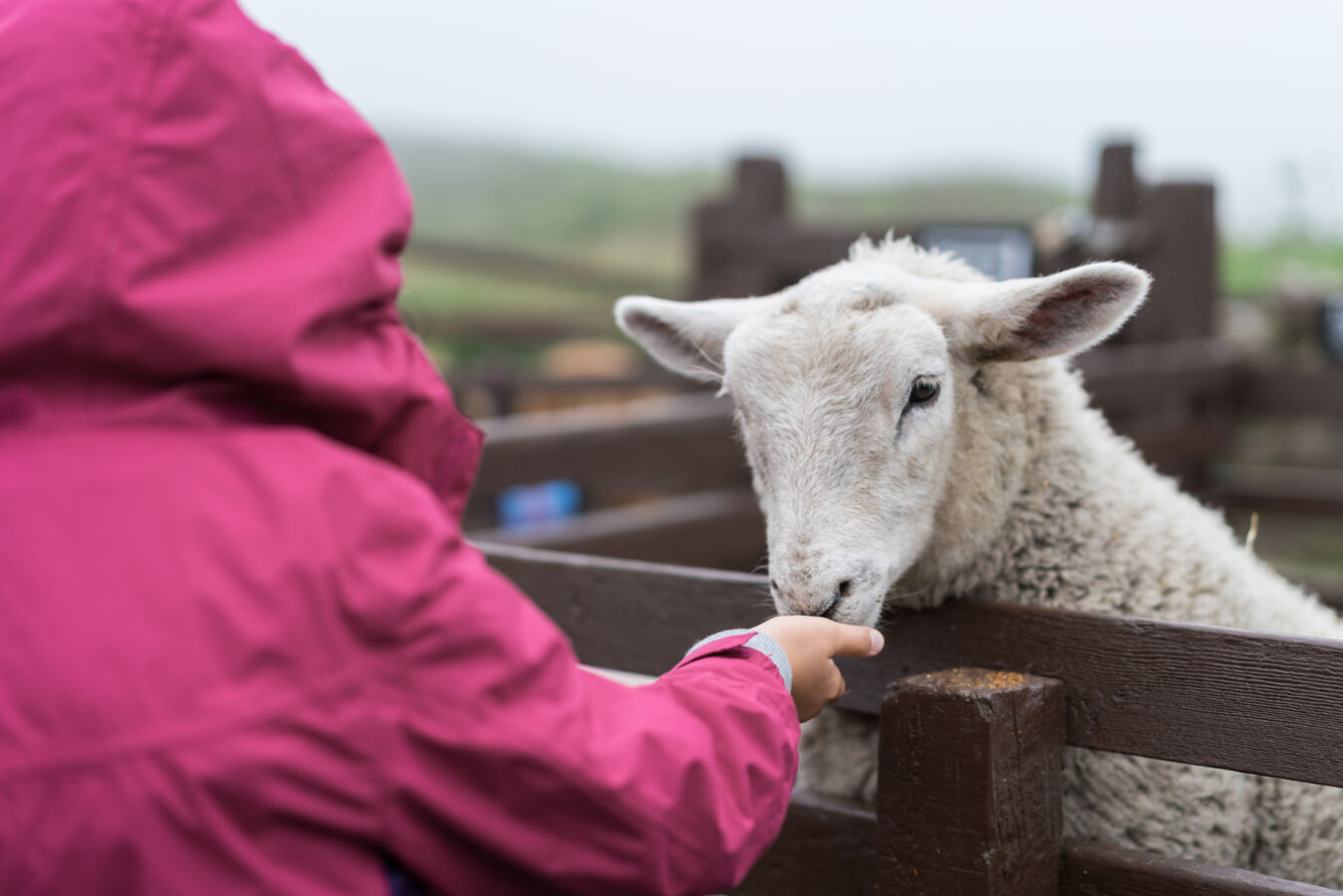
Infections are another serious concern. They are common at all times of the year, and outbreaks of cryptosporidiosis are particularly likely in spring and early summer as lambs are born. Increased visitor numbers over the school holidays add further to the risk at this time.
Robust policies, practical steps
Any landowner whose business is currently open to the public, or who is planning to diversify in that way, needs to have robust policies and procedures in place to mitigate the health and safety risks.
An important element of this is ensuring that they have adequate risk assessments in place. These should guide safe operating practices in, for example, the treatment of high-risk animal waste, or the protection of acutely vulnerable people such as immunocompromised children. These risk assessments should be ‘living documents’ that are updated whenever a change in circumstances requires this.
Good record-keeping is also vital: landowners should ensure that they record cleaning schedules, facility maintenance and staff training. This will be invaluable if it is ever necessary to demonstrate compliance to the appropriate authorities.
If infections are a significant risk, landowners should start by taking four practical steps.
- Put in place adequate signs that warn about animal contact and infection. Legal duties increase where children may be at risk, so if that is the case then signs should also target child-specific behaviours, such as thumb-sucking, and should be supplemented by verbal warnings and demonstrations from staff.
- Implement control measures in common infection sites. For example, maintain fences and gates where animals are kept, and encourage children to avoid hand-to-mouth contact
- Install useable handwashing facilities – with water, soap and/or antibacterial gel – at all exits from animal contact areas.
- Clearly segregate eating/drinking zones from petting stations. Marking out separate ‘dirty’ and ‘clean’ areas also helps to ensure that those who have touched animals do not mix with those who have not before having had the chance to appropriately wash their hands.
Public-facing rural businesses can be of huge benefit to all concerned: an opportunity for landowners to diversify, and for their customers to enjoy all that Scotland’s rural environment has to offer. But it is important to take all the necessary steps to ensure that those customers are kept safe and healthy.
If you would like to have a more detailed and specific discussion of any of these issues, our Health and Safety team will be happy to help.
Contributors:

Shona Lean
Solicitor

Killian Dockrell
Solicitor
Further / related posts

4 August 2026
Managing the risks of open water swimming
Contributor: Stephanie Hepburn

28 July 2026
Feels so real: Court judgment clarifies the enforcement of real burdens
Contributor: Shona Lean

9 June 2026
Removing travellers from land in Scotland
Contributor: Ross Simpson
To find out more contact us here
Expertise: Dispute Resolution, Health, Safety and Environmental Regulation, Rural Disputes
Sectors: Land Management and Diversification, Rural Property and Business