Contributors: Stephanie Hepburn
Date published: 23 October 2026
Download as PDFDon’t let a green burial come back to haunt you
In Scotland, people are increasingly seeking to make end-of-life arrangements that are environmentally friendly. These might be in rural areas, with no vault, no headstone, and no embalming. Just a burial straight into the earth, with the body contained in organic and non-toxic materials such as a biodegradable coffin or a linen shroud.
However, it’s important to be aware that if you fail to think through all the necessary considerations, a green burial can be just the beginning of an unpleasant legal story for those left behind.
This article outlines those considerations, and answers a few common questions.
What is a green burial?
There is no precise legal definition of the term ‘green burial’, but there are some typical characteristics. They often take place in woodland areas or meadows – in Scotland there are at least ten such sites that are managed by local authorities, and about as many that are privately run.
Can other people object to a green burial?
In some circumstances, yes. Green burials may be opposed if there are concerns regarding the location of the site, or about the potential risk of water and soil contamination.
Have green burial sites faced legal disputes?
Yes. One of these took place in Michigan, USA.
In 2022, Peter and Annica Quakenbush bought a 20-acre woodland area with the intention of creating a green burial space named the West Michigan Burial Forest. However, some local residents were worried about water contamination and an increase in traffic along their dirt road. They complained to local officials, who responded by issuing a blanket ban on the establishment of all new cemeteries in the area.
The Quakenbushes sued their local authority, and won. The judge held that there were no legitimate concerns regarding public health, safety, or welfare; and, furthermore, that the ban was contrary to the Michigan Constitution, which defends individuals’ right to use their own property for business purposes provided this does not cause public harm.
The case received worldwide attention, and the site currently has hundreds of people on its waiting list.
What is the law on green burials in Scotland?
In Scotland, the Burial and Cremation (Scotland) Act 2016 sets the legal framework for all burials. While green burials are generally lawful, the process for applying and registering for a green burial is different in each local authority, and it is important to comply with any local byelaws or policies in addition to the 2016 Act.
In 2023, the Scottish Government launched a consultation on this issue. The resulting report – ‘Management of burial grounds, application for burial, exhumation, private burial and restoration of lairs’ – was published in May 2024, and has informed several pieces of legislation since then. It may possibly result in further reform to this area of law, including, for the first time, a united legislative framework for private burials in Scotland.
What factors should be borne in mind when considering green burials?
This depends on the size and scale of the burial site, but five issues are particularly important.
Environmental concerns
An intrinsic part of a green burial is that there is no vault to seal the body away from the ground, so the body eventually decomposes into the soil. But this has its own risks. In general, each local authority provides its own process regulating green burials. This should involve careful planning of the burial site in relation to things such as the proximity to water sources and the potential impact on groundwater and soil. These processes will need to be followed precisely so that contaminants do not leech into the ground. Any negative effect on nearby land can lead to disputes and legal action.
Title conditions and use
It is important to check the title deeds to ensure there is no title condition which prevents the use of the land as a burial site. Planning considerations also need to be checked before using an area of land for green burials. If a private garden is being used for a green burial, it is important to bear in mind that this is likely to affect the value of the property, and may also lead to objections from neighbours.
Future development of the land
For larger community green burial sites, title conditions or provisions contained in long leases usually restrict future land to natural burials.
However, for smaller private burials, these protections are far less practical. It may be possible to retain ownership of part of an area of land which contains the burial site, but this could prove problematic and is likely to impact the sale price of the property. However, even if the land is not retained, if the property is later sold, the new owner can apply for an exhumation licence to remove the body from the ground and will not need permission from the deceased’s family.
Memorial options
As traditional headstones are not used in green burials, more subtle and natural markers tend to be used, such as trees and wildflowers. Thought may need to be given to marking the burial site in some way (for example by an electronic tag) so it can be located at a later date if required.
Access
Ensuring suitable access to a green burial site is important. This may not be a problem when considering the impact of a single green burial on private land but especially within a concentrated site, it is easy to see how access may become controversial particularly if access affects neighbouring properties. New access rights may need to be negotiated, or there may need to be an analysis of existing access rights to make sure they allow access for green burials. It is also important to ensure the burial site will remain accessible for future generations who may wish to visit particularly if a landowner wishes to sell land which has been used for green burials.
Conclusion
A green burial offers a meaningful way to commit to an environmentally conscious and sustainable planet even in death. If green burials are carried out responsibly and in accordance with all legal and environmental requirements, this objective may be achieved. However, particularly as the scale of green burial sites increases, it is important to consider a number of practicalities to ensure that the potential for disputes is avoided.
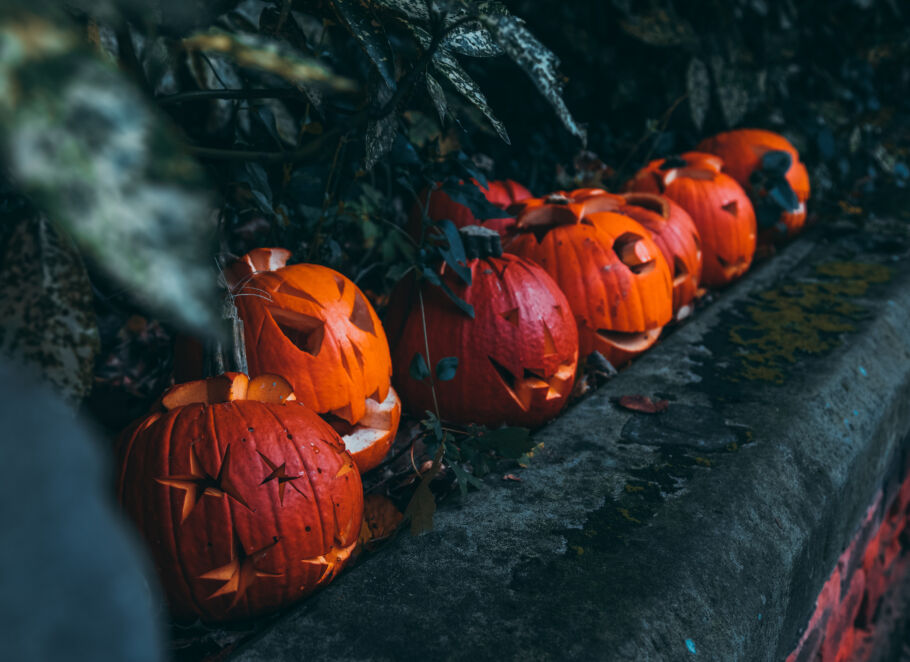
At Halloween, it might be enjoyably thrilling when Count Dracula emerges from a grave to wreak havoc. But, in the real world, it’s better if end-of-life arrangements really do mark the end of the story.
If you have any questions about the issues discussed in this article, please get in touch with a member of our Rural Disputes team.
Contributors:

Stephanie Hepburn
Partner
Further / related posts

23 October 2026
Bang on: The laws around fireworks displays
Contributors:
Stephanie Hepburn, Kevin Clancy
23 October 2026
Contributors:
Killian Dockrell, Shona Lean
23 October 2026
Let the right one in: Prescriptive servitudes
Contributor: Stephanie Hepburn
To find out more contact us here
Expertise: Dispute Resolution, Health, Safety and Environmental Regulation, Risk and Regulation, Rural Disputes
Sectors: Forestry, Rural Property and Business