Contributors: Shona Lean, Stephanie Hepburn
Date published: 23 October 2026
Download as PDFTimber! Liability when trees fall in Scotland
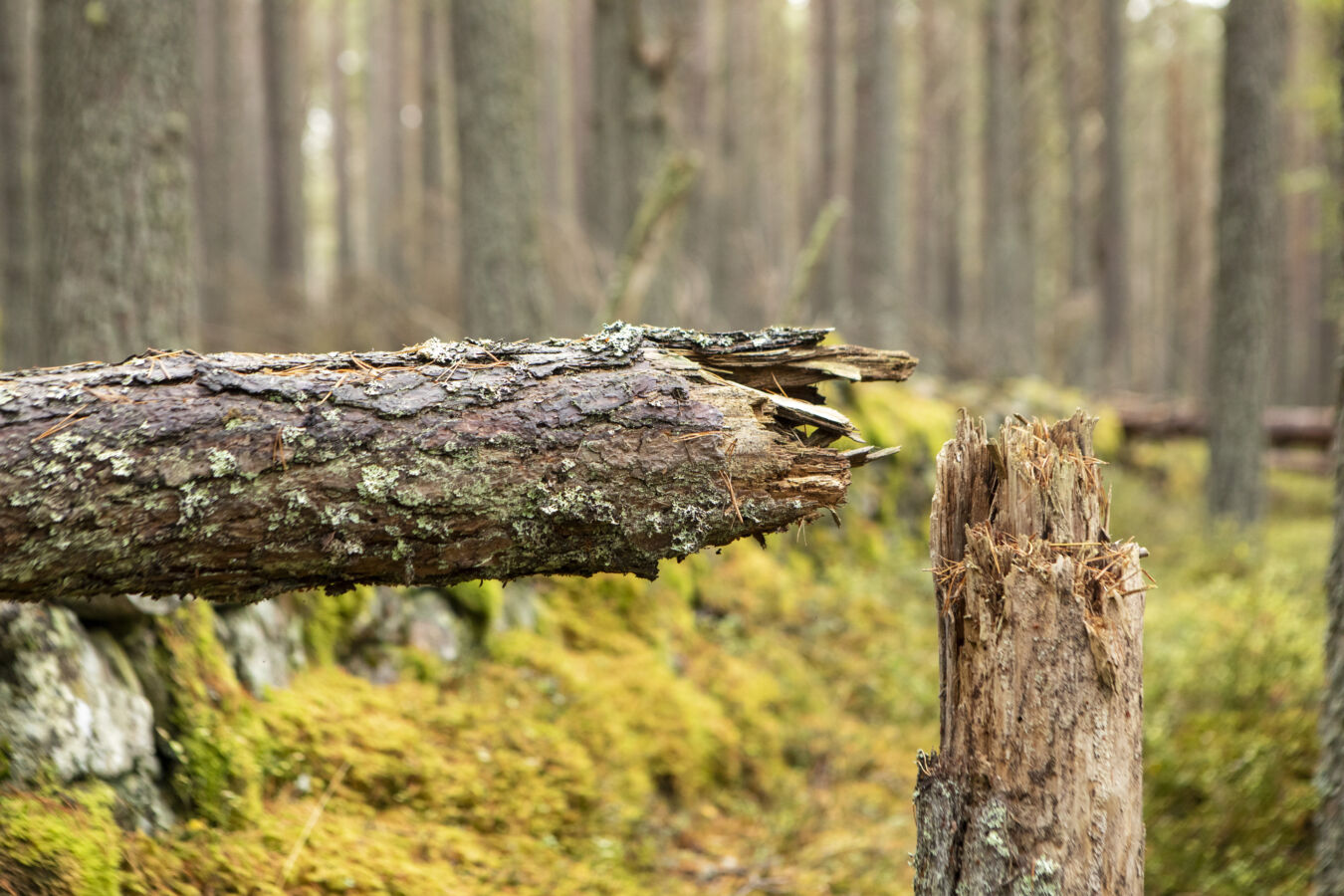
Falling trees are an unavoidable part of rural life, especially at this time of year when the weather starts to turn. Sometimes those falls can cause problems, including – in the most serious cases – significant damage to people or property.
Landowners have various legal duties and obligations to maintain their woodlands. It’s important that they understand these, and take the necessary steps, before a fallen tree lumbers them with a serious legal problem.
The Legal Position
Under Scots law, a landowner has a duty of reasonable care for people who may be affected by the condition of trees on their land. This is rooted in the law of delict, under which a legal liability only arises when the landowner is at fault, through either deliberate or negligent actions. There is also a statutory duty under the Occupiers’ Liability (Scotland) Act 1960, which extends this duty to those in occupation or control of the land.
So what does this mean in practice?
Landowners must take reasonable steps to manage the safety of trees on their land. What is reasonable depends on a number of factors, including the trees’ species, age, lifespan and location. Landowners will have a higher duty of care to maintain the safety of their trees in areas which are frequented by members of the public, compared to more remote and rarely accessed areas.
When determining whether a breach of a duty of care has occurred, the foreseeability of damage being caused by fallen trees will also be considered. If the landowner is aware that trees on their land are likely to fall (for example due to disease or decay), they will be more likely to be found liable for any damage caused. However, if a healthy tree falls due to high winds during a storm, and the landowner could not have taken steps to prevent this from occurring, they will probably not be found at fault.
The position may be different if a tree falls on a public road. Provision is made in the Roads (Scotland) Act 1984 for the landowner to remove the tree in this situation, or meet the local authority’s cost in doing so.
The key point is that landowners should have a sufficient management plan in place for any trees on their property, and carry out regular inspections to assess for any damaged or dangerous trees. Failure to do so could be a costly mistake.
If you have any questions about Rural Dispute resolution, please get in touch with a member of our Rural Disputes team.
Contributors:

Shona Lean
Solicitor

Stephanie Hepburn
Partner
Further / related posts

23 October 2026
Bang on: The laws around fireworks displays
Contributors:
Stephanie Hepburn, Kevin Clancy
23 October 2026
Let the right one in: Prescriptive servitudes
Contributor: Stephanie Hepburn
23 October 2026
Don’t let a green burial come back to haunt you
Contributor: Stephanie Hepburn
To find out more contact us here
Expertise: Rural Disputes