
Contributors: Roddy Forgie, Patrick Kelly
Date published: 2 July 2026
Download as PDFThe Sporting Events Bill: A big win for business?
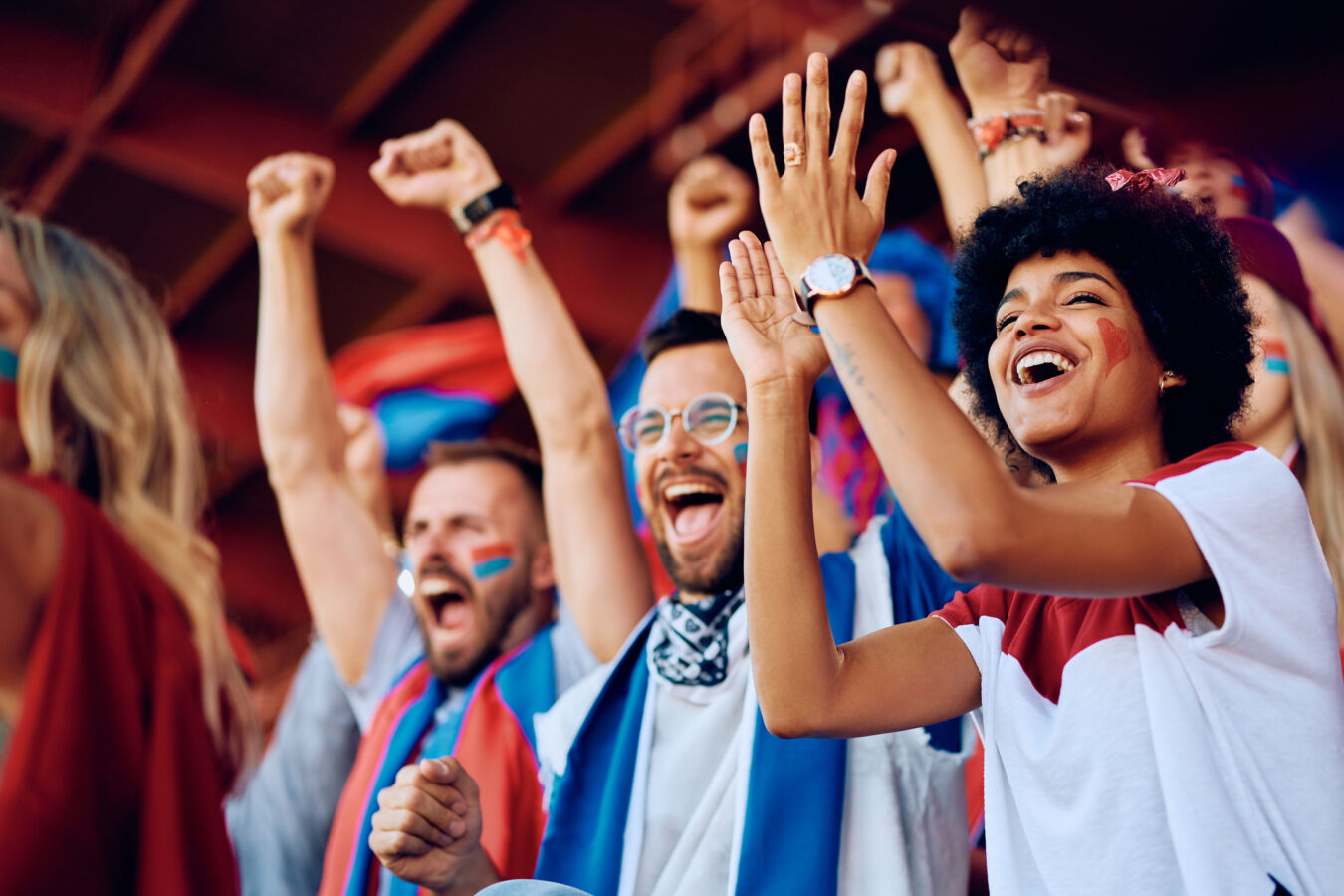
Big sporting events often benefit the cities and nations that host them – in many ways. Here in the UK, the social, cultural and economic effects of London 2012, Glasgow 2014 and Birmingham 2022 were significant, and their legacies are still felt today. The UK government is keen to welcome more world class major sporting events. It is investing considerable resources to improve the delivery of them, and is supporting bids to host the World Athletics Championships in 2029 and the FIFA Women’s World Cup in 2035.
The new Sporting Events Bill is a part of this effort. It aims to establish a legislative framework that would govern the delivery of major sporting events in the UK. Currently, a unified framework does not exist, and Parliament introduces bespoke legislation for each new major event. Examples include the London Olympic Games and Paralympic Games Act 2006, and the Birmingham Commonwealth Games Act 2020.
It is hoped that creating a general legal framework for major sporting events would have many positive effects. It could reduce the delay caused by legislating for individual events. And it could make UK bids more attractive – by giving organisers, rights holders and commercial partners of major sporting events greater comfort that holding their event here would offer them stronger legal protections.
If passed, the legislation would be introduced in time for EURO 2028, which is set to be hosted jointly by England, Wales, Scotland and the Republic of Ireland in June and July 2028.
What events does the framework apply to?
The framework does not apply to all of the UK’s most popular sporting events. The Bill specifies that its conditions shall be applicable to an event which:
- Is held wholly or partly in the UK
- Is of a kind that is not regularly held wholly or partly in the UK
- Is likely to be of significant national interest and likely to provide social or economic benefits to the UK, or likely to facilitate the holding of other events that do meet the preceding criteria
Notably, the government has given examples of events that would and would not be included. For example, the UEFA European championships, FIFA football world cups and rugby world cups would be; but the FA Cup final and Wimbledon tennis championships would not.
This raises the question of whether the legislative framework should be expanded to protect and promote other regularly held national events – including not just the FA Cup final and Wimbledon, but also the 6 Nations, The Open golf championship, the British Grand Prix, and others.
What is the scope of the framework?
The Bill grants powers for the framework conditions to be implemented by the Secretary of State or devolved governments on a discretionary basis. It seeks to address and regulate the following areas, all of which will offer protection to commercial partners.
Ticket touting
A ban on the unauthorised sale of tickets, including online sales and sales outside the UK, regardless of the resale price. The ban also covers giving an event ticket to someone who has paid for other goods or services (e.g. promotional offers).
Advertising in restricted areas
A ban on any organisation that is not an official sponsor of the event, or that does not have permission from the relevant authority, from advertising within specified zones. It is not a defence that the activity was carried out in accordance with an existing advertising licence.
Trading in restricted areas
Within specified zones, a ban on any organisation that is not an official sponsor of the event, or that does not have permission from the relevant authority, from selling a product, providing a service or appealing for money.
Ambush marketing
The Bill also grants powers for the Secretary of State (but not devolved governments) to apply regulations to clamp down on unauthorised association. More commonly known as ambush marketing, this is when the public is misled into thinking that a company and its products or services are associated with the event.
Ambush marketing commonly involves the use of a name, word or logo, but the misrepresentation could also be as simple as a deliberately misleading statement.
Penalties
It will be a criminal offence to breach the provisions in the first three areas. The offences will be punishable by unlimited fines in England, Wales and Scotland; and fines of up to £50,000 in Northern Ireland.
A breach of the prohibition on unauthorised association will be treated in the same way as an infringement of an intellectual property right. As such, an event organiser or authorised commercial partner may raise a civil action against an infringing party. A court may grant remedies such as damages, an injunction (or interdict in Scotland), and/or an order in relation to the infringing goods (e.g. that they are delivered up, forfeited or destroyed).
Key takeaways
Some may question why more support is not being provided to other regular events in the UK, and it is expected that this will be debated as the Bill proceeds through the legislative process.
The proposed new laws would create a more complex regulatory framework, so, with EURO 2028 fast approaching, organisations should be aware of how and when they might be implemented. For businesses which will be commercial partners of that tournament, or rights holders, or associated in any other way, the Bill provides a more comprehensive legislative basis from which to support the protection of their rights and commercial interests. So they – and any business which is considering becoming commercially involved – should keep a close eye on the Bill’s development.
Our specialist Sport, Entertainment and Media team will continue to monitor the Bill’s progress through both Houses of Parliament. If you have any questions regarding the new Bill and how it may affect your organisation, please reach out to your usual contact at Shepherd and Wedderburn.
Contributors:

Roddy Forgie
Director

Patrick Kelly
Solicitor
Further / related posts

17 July 2026
The latest on the UK’s under-16s social media ban: Curfews, AI chatbots and more
Contributor: Madeleine Gill

20 January 2026
Shivering this winter? Cole Palmer’s signature shiver and the emergence of motion marks in football
Contributor: Joseph Fitzgibbon

28 March 2024
EU receives black and white flag in Mazepin sanctions dispute
Contributor: Andrew Buchan
To find out more contact us here
Expertise: Commercial Contracts, Corporate and Commercial
Sectors: Sport, Entertainment and Media