

Contributors: Madeleine Gill
Date published: 17 July 2026
Download as PDFThe latest on the UK’s under-16s social media ban: Curfews, AI chatbots and more
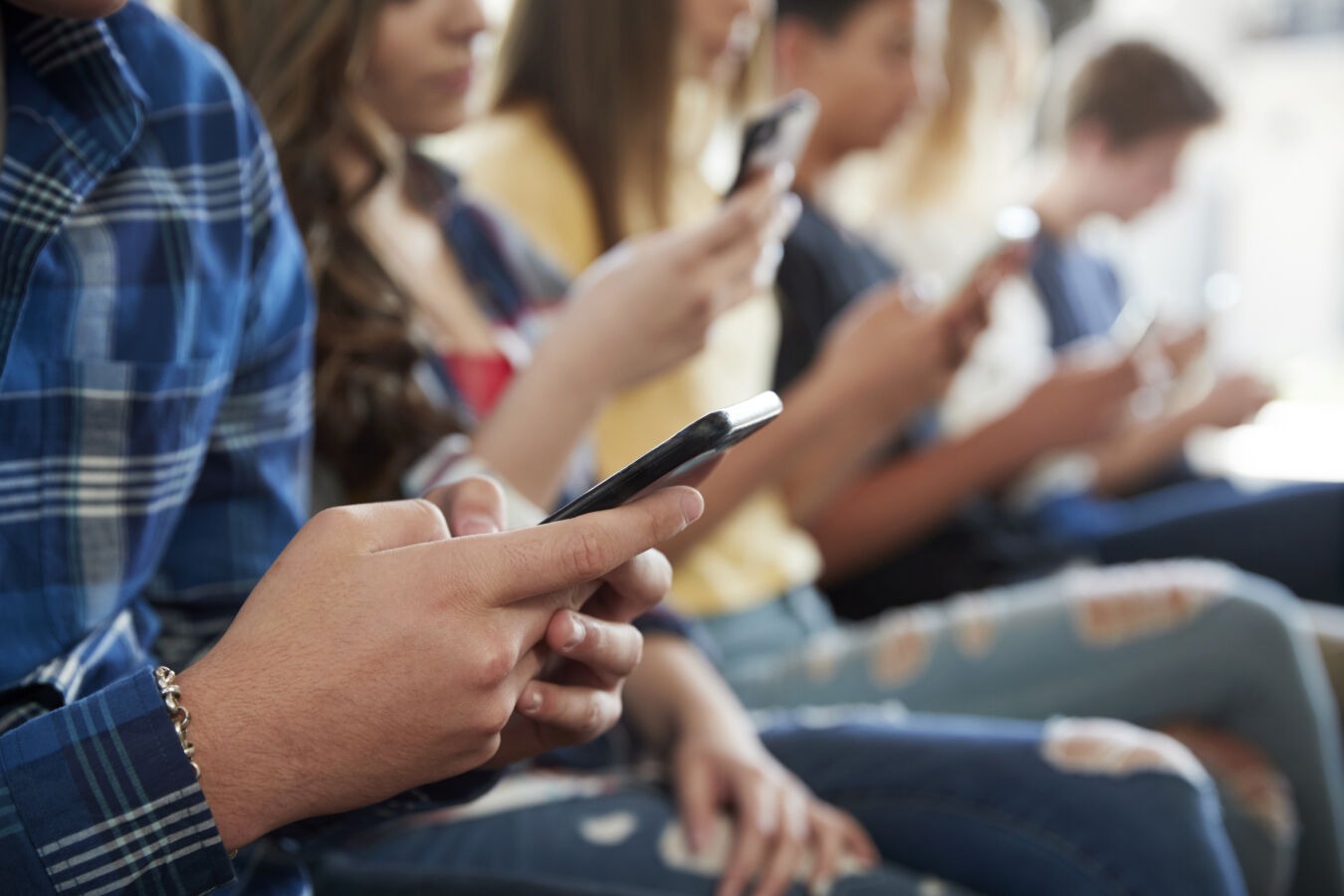
Around the world, several countries have explored ways of restricting children’s access to social media. One of the most publicised was Australia, where ten platforms (including Facebook, Instagram, Snapchat, TikTok, X, YouTube and Reddit) are now legally prohibited from opening accounts for under-16s.
In June 2026, the UK government followed suit and announced its plans to introduce a total ban on access to social media for under-16s.
The Department for Science, Innovation and Technology’s (DSIT) has now issued its final response to its “Growing up in the online world” consultation. While many details remain to be worked through, these proposals signal a more interventionist approach to regulating young people’s online activity and could have far-reaching implications for technology companies and digital service providers.
More than 116,000 people responded to the DSIT’s consultation, prompting the announcement of a broader package of online safety measures, including:
- A curfew on social media usage for 16- and 17-year-olds
- Mandatory breaks for AI chatbots used by children under 18
- Measures to mitigate circumvention of rules, including detecting the use of Virtual Private Networks (VPNs)
- New screen use guidance and wider media literacy support for parents, guardians and carers
- Statutory guidance on use of mobile phones by children in schools
This article will look at each of these in turn.
Default curfew
The headline measure within the DSIT’s response is the introduction of overnight restrictions between midnight and 6am, during which social media will be unavailable to 16- and 17-year-olds “by default”. This curfew will be aimed at combatting the “powerful design choices made by social media companies” including the infinite scroll and autoplay features used by platforms such as Instagram and TikTok. Push notifications for social media platforms will also be disabled during the curfew.
By definition, the curfew will impose “default” restrictions. Users will be able to toggle these restrictions on and off in settings, raising the question of how effective they are likely to be. The government’s justification for this rests in allowing 16- and 17-year-olds the autonomy over decisions relating to their social media exposure, stating that these individuals should be able to choose what works best for them, encouraging teens to make more empowered decisions over age-appropriate media consumption.
Restrictions on AI chatbots
The consultation responses also raised concerns regarding chatbot designs, particularly where AI chatbots are mimicking friendship behaviours and encouraging longer conversations that “foster emotional dependency”. Over half of individuals aged 16-21 supported greater restrictions on extended chatbot usage, while 18% expressed concerns about the reliance on chatbots for mental health support.
The introduction of mandatory breaks from chatbots aims to combat these dependencies. Also, regulatory action will be taken against chatbots that supply unverified or harmful mental health advice, including where necessary banning services that pose a threat to children.
Combatting circumvention
Critics of the initial plans for the under-16s ban remarked that the ban would only be effective if the means to circumvent it were also identified and minimised, and this has been borne out in practice when social media bans have been introduced around the world. In Australia, for example, studies showed that more than 80% of under-16s there were still using social media.
In a bid to tackle this, Ofcom has been asked to research what steps can be taken to identify and mitigate measures to circumvent age-restricted features, such as through use of VPNs. Importantly, the government is not looking to ban or age-gate VPNs – these measures are seen as a happy medium to ensure online child safety whilst balancing the need to maintain safe, regulated and secure access to the privacy features that can be offered by VPNs.
New social media literacy guidance
There were significant calls in the consultation for parents to have more control over the online experiences of their children, particularly in relation to younger children. The additional proposals will include new guidance on screen use, reviews of the use of parental controls and wider media literacy support for parents, guardians and carers.
The guidance will give evidence-based advice to encourage a healthy and balanced approach to social media usage and will be designed to give greater confidence to those supporting their children to navigate the online space.
Mobile phone ban for schools
The measures proposed in the DSIT’s response will impose stricter access not just to social media but also to mobile phones, specifically when used in schools. Government guidance on use of mobile phones in schools became statutory at the end of June 2026; schools have until September 2026 to implement appropriate measures to make classrooms phone-free.
There will be some legally justifiable exceptions to this guidance, and schools will have discretion as to how they implement and police the ban, but the default will be that children will not have access to their mobile phones throughout the day, including during breaks and lunchtimes.
What’s next?
These additional measures form part of a wider, graduated regulatory regime that sits between the outright social media ban for under-16s and full adult social media autonomy. They will, by design, impact 16- and 17-year-olds the most. To date, only policy statements have been released, and it’s unclear how these measures will merge into regulation or how the government will address some of the more complex issues that the ban raises.
Although the DSIT’s response provides the clearest indication yet of how the government intends to implement its proposed reforms, many practical and regulatory questions remain unanswered. We expect that the first set of regulations will be laid before Parliament by the end of 2026, so organisations operating in the digital space should monitor developments closely.
If you have any questions, please contact a member of our Media and Technology team or your usual Shepherd and Wedderburn contact.
Contributors:

Further / related posts

17 July 2026
FIFA World Cup 2026: Can English and Scottish clubs sign the tournament’s breakout stars?
Contributor: Jack Freeland

2 July 2026
The Sporting Events Bill: A big win for business?
Contributors:
Roddy Forgie, Patrick Kelly

30 June 2026
Continuing uncertainty on the law of prescription
Contributors:
Iain Drummond, Alejandro Coghill, Euan Rennie
To find out more contact us here
Expertise: Data Protection and Privacy
Sectors: Sport, Sport, Entertainment and Media