Contributors: Killian Dockrell
Date published: 9 April 2026
Download as PDFGlobal Asbestos Awareness Week: a 20th century problem that hasn’t gone away
Global Asbestos Awareness Week has just finished – a reminder that this problem still requires action within the construction industry.
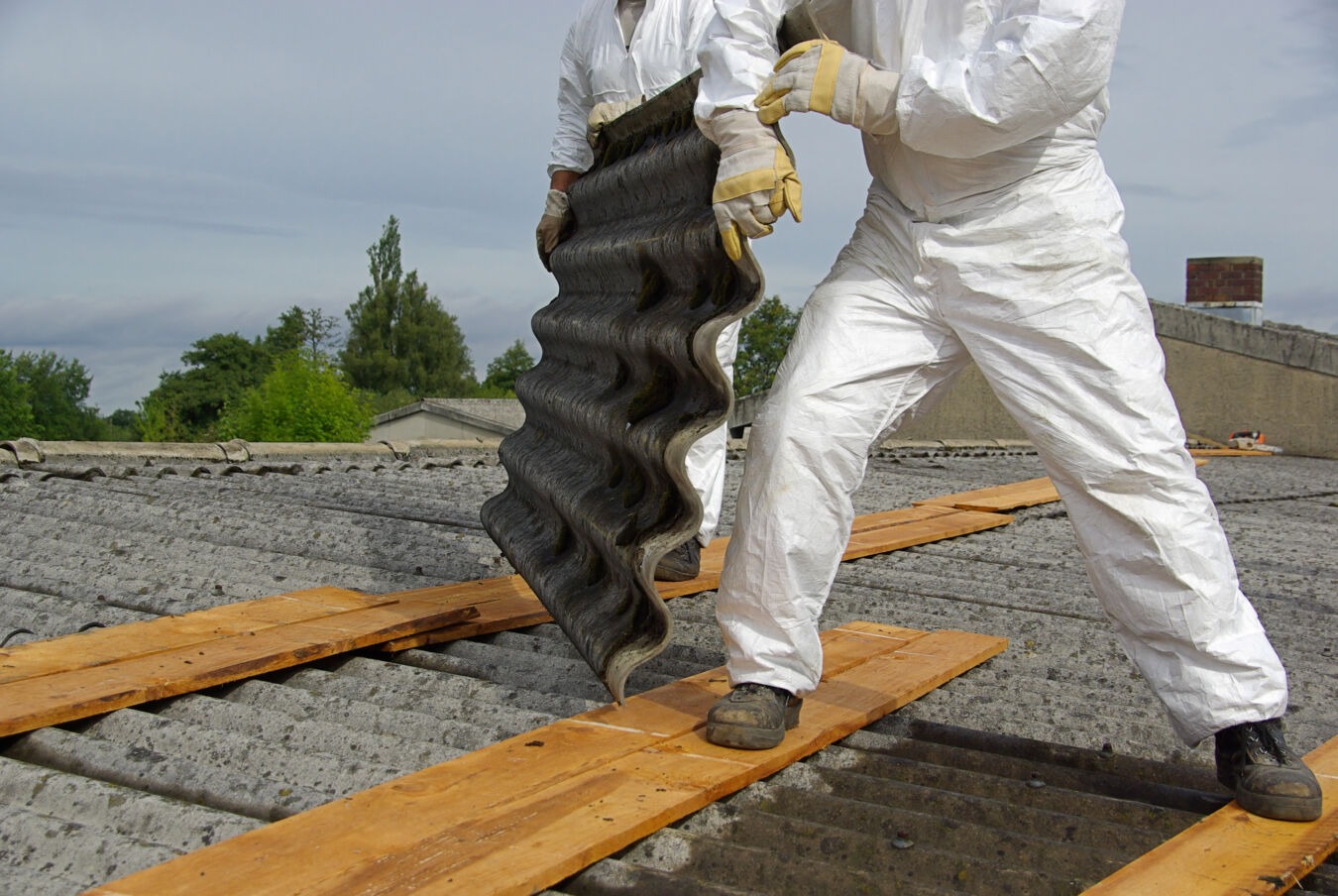
Asbestos was widely used as insulation in UK buildings throughout the 20th century. In November 1999 it was banned on health grounds, yet it is estimated that over 1.5 million buildings in the UK still contain the material. Modern legislation has moved from restricting the use of asbestos, to ensuring that asbestos which remains in buildings is properly identified and managed to mitigate disturbance.
What are the dangers of asbestos?
Inhaling asbestos dust is linked to numerous respiratory problems including mesothelioma – a fatal form of lung cancer. It is especially dangerous because it is too small to see, and has no distinctive smell.
The latency period from exposure to symptoms is typically 15-60 years, which can make it difficult to identify the source of exposure. Currently, around 5,000 people die every year from diseases related to asbestos exposure, and the HSE estimates that the UK has only recently passed the peak of asbestos-related deaths.
Where is asbestos present?
Those in control of premises built or refurbished prior to 2000 should pay particular attention to their legal duties, as undetected asbestos may remain within their buildings. The danger does not end there however: asbestos may also be present in older industrial machinery and equipment including ovens, gaskets and pipe insulation.
There is also a danger that buildings may be mistakenly considered “asbestos-free” under historical surveys that were conducted to less rigorous standards. In 2021 a pupil in Conwy, Wales kicked a hole in the wall at their school, revealing exposed asbestos which had not been identified in previous inspections. This shows the value for employers in considering a further full inspection, especially when dealing with older buildings.
The legal picture
Duty holders should organise asbestos surveys through an accredited surveyor to identify any asbestos-containing materials (ACMs). This forms the basis for preparing an up-to-date Asbestos Register which documents any known or presumed ACMs. From there, contractors and/or occupiers should risk-assess the likelihood that their work or the work of others might disturb the registered ACMs.
The Register is the cornerstone of your Asbestos Management Plan – a system that duty holders must implement to ensure that asbestos management is delegated to competent persons; risk assessments are complemented by suitable control measures; and the Asbestos Register, Risk Assessments and Plan are regularly reviewed and updated.
When in doubt about where to start, duty holders should use their risk assessments to select priority areas. Contractors and occupiers should be particularly careful when working on higher-risk materials such as pipe lagging, roof insulation and fireproofing panels. Dealing with these materials will usually require specialist asbestos licences to be in place.
The Control of Asbestos Regulations 2012 set out a detailed Approved Code of Practice, and provide guidance about work which disturbs asbestos or is likely to do so.
What are the consequences of conducting work without due care?
Given the dangers of asbestos exposure, the consequences for failing to follow guidance are significant. Prosecutions reported this month highlight that company directors and managers can be given large fines and custodial sentences for negligently exposing employees and the public to asbestos dust.
Civil claims may also arise where asbestos exposure has given rise to asbestos-related illness, such as mesothelioma. Contractors and occupiers without adequate asbestos procedures in place need to act quickly to avoid liability.
Where can you seek guidance?
Exposure to asbestos should be reported under The Reporting of Injuries, Diseases and Dangerous Occurrences Regulations 2013. These regulations place duties on employers, the self-employed and people in control of work premises (the “responsible person”) to report certain serious workplace accidents, occupational diseases and specified dangerous occurrences (near misses).
Further advice from the HSE on your legal duty to manage asbestos can also be found here.
If you would like to discuss anything in this article in more detail, please contact a member of our specialist Health and Safety team.
Contributors:

Killian Dockrell
Solicitor
Further / related posts

24 March 2025
On the verge – the extent of servitudes in Scotland
Contributors:
Emma De Sailly, Stephanie Hepburn

23 October 2026
Bang on: The laws around fireworks displays
Contributors:
Stephanie Hepburn, Kevin Clancy

23 October 2026
Contributors:
Killian Dockrell, Shona Lean
To find out more contact us here
Expertise: Dispute Resolution, Health, Safety and Environmental Regulation, Risk and Regulation
Sectors: Development and Industrial