

Contributors: Kenzie Sharkey
Date published: 9 September 2026
Download as PDFA “wind-wind” situation for developers and consumers alike – is further regulatory reform required to deliver Net Zero?
This article was first published in The Herald.
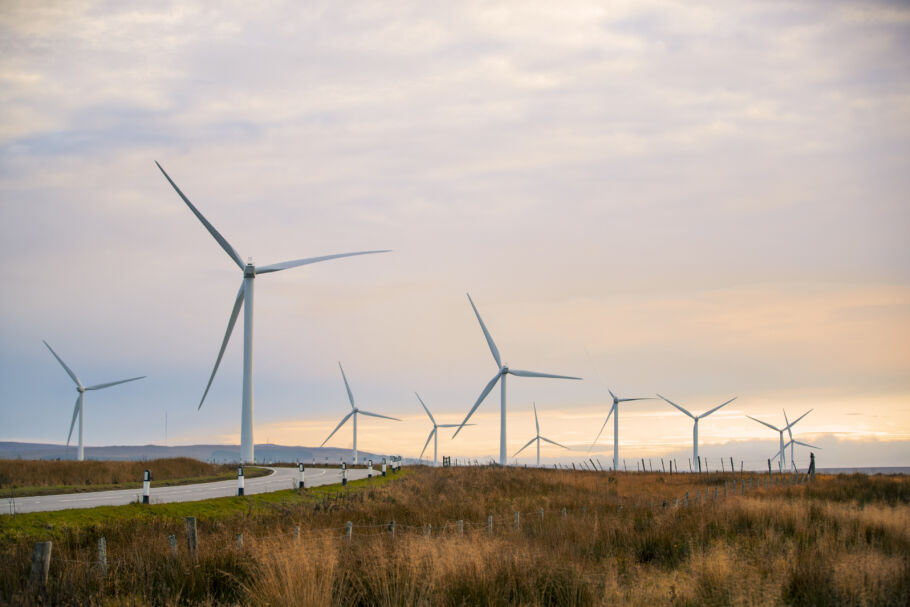
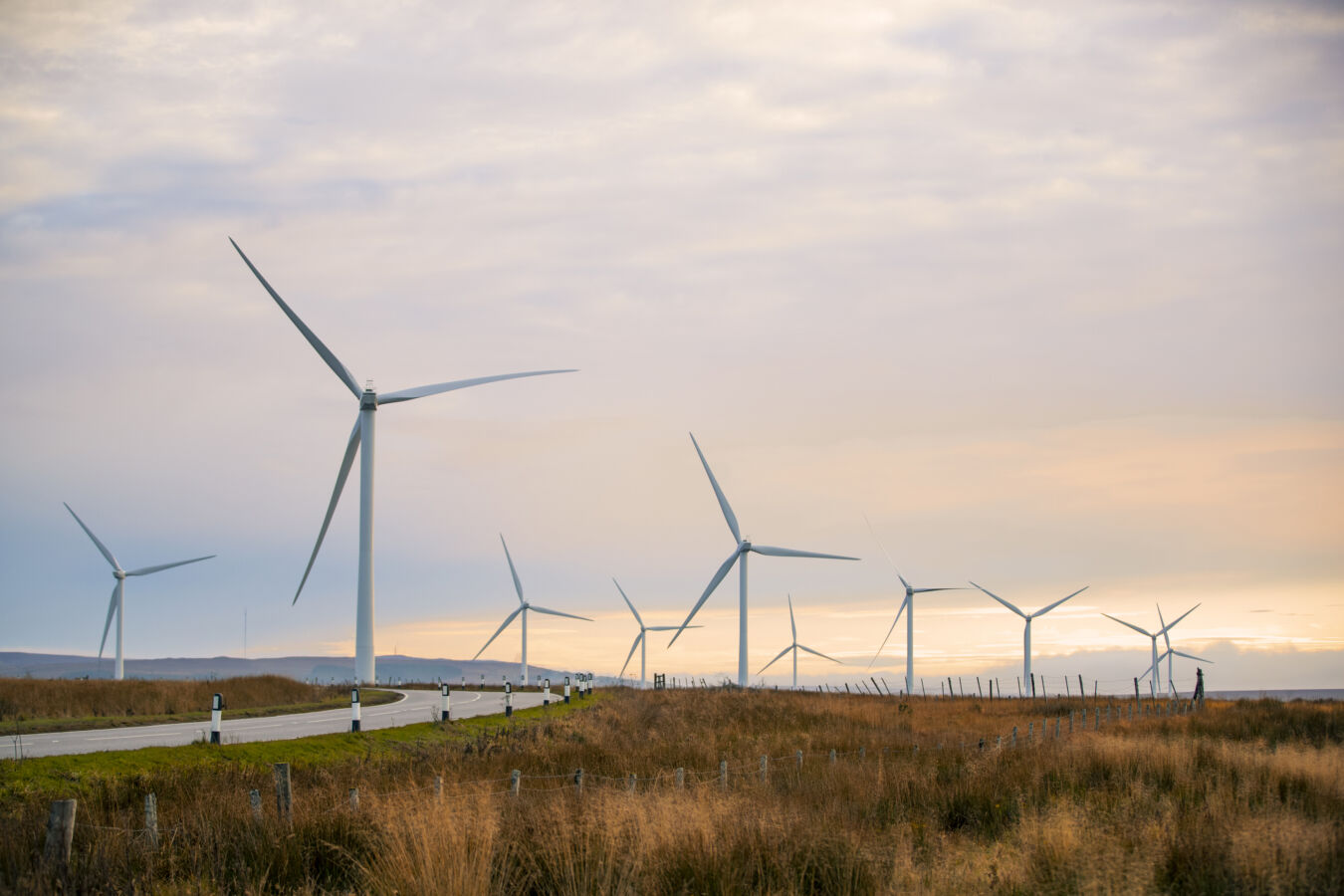
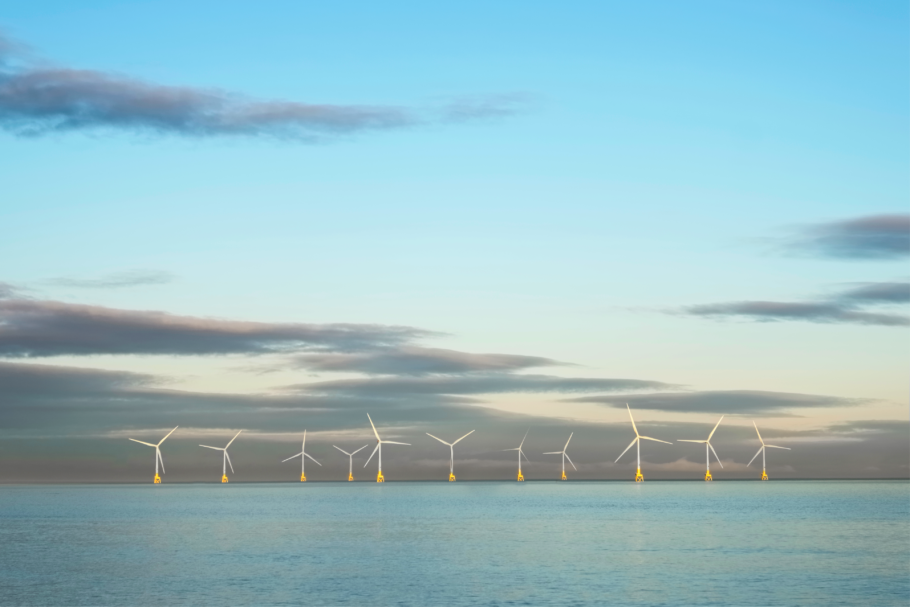
Despite recent events in the Highlands, our national climate is better known for gales than the glaring sun. While that may be a continued source of disappointment to some, it does mean that through its established and growing wind industry, Scotland is well placed to contribute to the UK’s national targets for clean energy. So well placed in fact, that following the outcome of the National Energy System Operator (NESO)’s re-ordering of the grid connection queue, currently no new offshore wind projects in Scotland will be able to connect to the grid until after 2030, and no new onshore projects until after 2035. So, a case of “job done”: Scotland’s wind fleet is on track to deliver Net Zero; or is it?
There are concerns that the current “cap” on new connections risks missing the benefits that could be delivered through ‘repowering’– the process by which old turbines are replaced to deliver increased, and more efficient capacity at existing sites. While those benefits include cost efficiencies for developers, local communities also stand to benefit through sustained employment, extended leasing arrangements, and increased community benefit funds. The benefit with the greatest impact, however, is the opportunity to unlock additional clean power capacity at successful, established sites, and accelerate the transition towards Net Zero and a secure, home grown, energy supply.
The additional capacity that repowering in Scotland could provide is not currently recognised as part of the UK’s national energy strategy – the increased capacity is treated as a “new” connection and subject to the current 2035 cap. The Strategic Spatial Energy Plan (SSEP) – the forthcoming zonal blueprint for the UK’s future energy system – could change that if it takes the additional capacity that repowering can unlock into consideration when setting new national targets for 2030 – 2050. NESO will consult on options for the SSEP later this year, and while it is a necessary piece in the regulatory jigsaw that will determine the UK’s ability to deliver Net Zero, it is not the only one. Transmission Network Use of System (TNUoS) charges – the charges paid by generators to build, operate, and maintain the UK’s transmission network – currently put that picture at risk, and particularly so in Scotland’s wind industry.
TNUoS charges suffer from a “locational slope”, meaning that the further North a project is located, the more the charges increase. This means the regime fails to incentivise (and arguably even make feasible) investment in precisely the locations where it is required in order to deliver national clean energy targets. In Scotland, TNUoS charges risk discouraging continued investment in existing wind infrastructure (repowering) and even preventing (on and offshore) projects that already have a place in the queue, as well as those that are still needed to meet clean energy targets beyond 2035, from being built.
TNUoS charges are also unstable and uncertain. This increases capital risk, reduces finance-ability, and erodes investor confidence in new and existing projects. Clearly none of this is good news for developers but it will cost consumers too. That cost can already be seen in increases to the minimum prices generators receive under Contracts for Difference (CfD – a government supported scheme for renewables) which are recovered through consumer bills.
In the absence of a reform of TNUoS charges, costs to consumers will continue to rise – not least if projects needed in Scotland to deliver security of supply do not materialise. While both Ofgem and the government have acknowledged that changes to TNUoS may be required as part of the wider Reformed National Pricing programme, the timeframe for it is uncertain – it may not be able to accommodate the changes needed to keep Scotland’s wind fleet on track to deliver Net Zero. The imminent SSEP consultation may, however, provide a much-needed catalyst for more immediate change if stakeholder responses make clear that any of the proposed “blue-print options” can only be built, and Net Zero realised, if they match the regulatory reality within which the industry in Scotland operates.
Contributors:

Kenzie Sharkey
Senior Associate
Further / related posts

27 July 2026
Zenōbe Energy Limited v Gas and Electricity Markets Authority
Contributor: Kenzie Sharkey
12 May 2026
Offshore wind consenting: the case for certainty on timescales
Contributors:
Colin Innes, Emma Reid

7 May 2026
Turbulent times for onshore wind in Scotland
Contributor: Lynsey Reid
To find out more contact us here
Sectors: Clean Energy, Energy Markets and Regulation