

Contributors: Olivia Greener
Date published: 17 June 2026
Download as PDFOut wide: How to manage absences during the World Cup
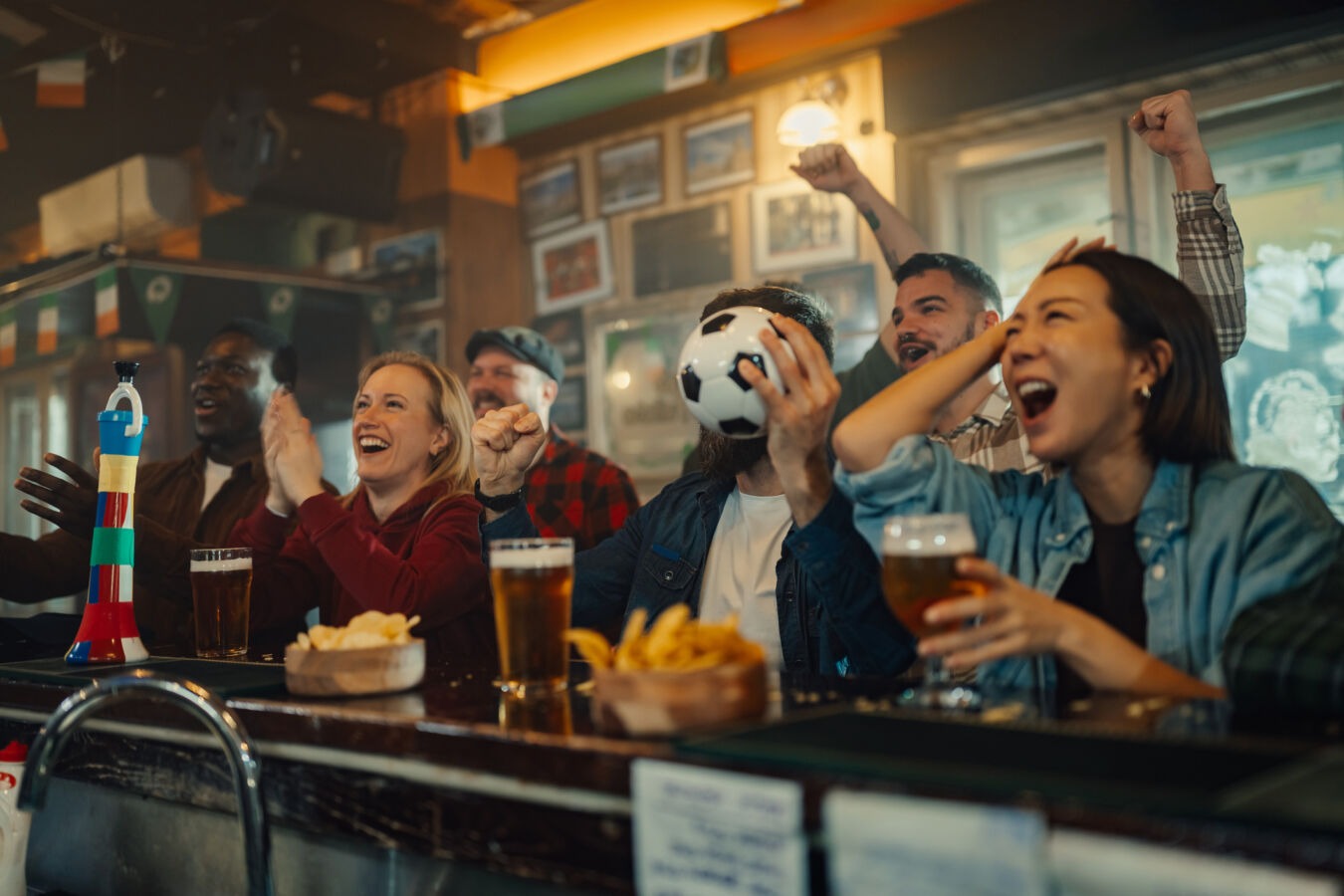
The football World Cup never fails to create excitement, and this time anticipation is particularly high in Scotland. The men’s team (unlike the women’s one) has not participated since 1998. Having achieved a victory in their first game, Scotland fans are now daring to dream that Scotland progressing to the knockout stages could become a reality.
The time difference is not favourable to many UK-based employees, however. Scotland’s next two matches kick off at 11pm BST, on a Friday and a Wednesday. (England’s three group matches are slightly more work-friendly: 9pm on a Tuesday and Wednesday, and 10pm on a Saturday.) And in any case, employers commonly see a rise in absences and sick days during international football tournaments. A study by the technology company UKG estimated that this year’s World Cup could cause a £681 million loss of productivity in the UK alone, mainly due to “absenteeism and presenteeism.” Another study, by software provider BrightHR, examined data from 1.2 million employees in more than 68,000 UK businesses, and found that employee lateness increased by 50% after matches in the Euro 2024 tournament, which was held in Germany.
The Employment Rights Act 2025 made numerous changes to employee rights, including statutory sick pay. This is now payable from day one of illness, and workers no longer need to earn a minimum amount to be eligible. This could potentially cause disingenuous sick days and unauthorised absences to increase during the tournament, by removing disincentives.
Employers would be wise to consider proactive strategies to address this.
What can an employer do if they suspect that an employee is not genuinely unfit for work?
An employer is entitled to challenge the validity of a sick day or an absence. If there is evidence that an employee is not genuinely sick, this should be dealt with as a case of misconduct, in accordance with the ACAS code of practice or the employer’s own disciplinary process.
However, employers should remain cautious of accusing employees of abusing sick leave policies. Real concerns regarding the validity of an absence should be properly investigated, but employers cannot demand a ‘fit note’ from an employee, or require them to provide medical evidence, unless they have been off work for more than seven days or they have agreed to a medical examination.
Case law gives some support to employers when an employee has been absent and/or late many times. In the case of Hallet and anor v MAT Transport Ltd 1976 IRLR 5, an employee who had been late 12 times out of 80 was found to have been fairly dismissed. In the context of suspicious World Cup absences, however, the immediate dismissal of an employee would risk a finding of unfair dismissal unless there was sufficient evidence, such as absences aligned with every Scotland game or incriminating social media posts, and a fair process is followed.
How can employers adjust for the World Cup?
It is usually best to ‘share the problem’: engaging in discussions with employees about time-off requests, holidays, sickness absence and flexible working should lead to solutions that work for everyone. Flexible working can take many forms. Someone might change their usual shift patterns, for example; or finish early or start late and then ‘pay back’ the lost time at a later date. Once arrangements have been agreed, writing them down and communicating them around the organisation will help to keep everyone onside.
It is crucial that employers are fair and consistent, so they should remember that England and Scotland are not the only teams in the tournament. Many workforces will include supporters of some of the other 46 nations taking part, so plans and arrangements should be fair to everyone.
It should also be made clear to all employees that sickness policies still apply if their team has achieved a historic victory (or suffered a crushing defeat), and that unauthorised absence and lateness is likely to be investigated, and may result in formal proceedings. Employers might also want to remind staff that if they come to work under the influence of alcohol they could be subject to disciplinary procedures – including gross misconduct, which could result in their dismissal without a notice period. And employers that have a ‘no alcohol at work’ policy should remind everyone of this.
All of this will be important if a dispute ends up in litigation.
We can help
Our specialist Employment team can help provide expert advice and guidance to ensure that employers feel confident and prepared during and after the World Cup.
This article was co-authored by Amelie Birse.
Contributors:

Olivia Greener
Senior Solicitor
Further / related posts
17 July 2026
FIFA World Cup 2026: Can English and Scottish clubs sign the tournament’s breakout stars?
Contributor: Jack Freeland

15 June 2026
Employment Rights Act 2025 – The next wave of updates
Contributor: Gillian Moore

8 April 2026
The new tax year has begun: are you ready?
Contributor: Gavin Charlton
To find out more contact us here
Expertise: Employment